
What does OSHA require for farm worker restrooms?
Federal field sanitation rules are specific, and they are not optional once you have hand-labor employees on the payroll. OSHA 1928.110 sets the baseline: one toilet and handwashing facility per 20 employees, positioned so nobody has to walk more than a quarter mile to reach it. That is different from construction site rules under OSHA portable toilet requirements, which use a headcount table instead of a distance test. Potable water has to be available too, under OSHA 1926.51(a)(1), and handwashing facilities need soap and towels or a hand dryer under 29 CFR 1910.141(d)(2). A hand sanitizer bottle on a fence post does not satisfy that rule. If your crew is spread across multiple fields, you likely need more than one placement point, not just more units bunched at the barn. We help farm operators figure out counts with our how many porta potties do I need guide, and we place handwashing stations at the same intervals as the toilets, since one without the other does not meet the standard. For crews handling pesticide or herbicide application, washing facilities are required under OSHA 1926.51(f)(1), which covers paints, coatings, herbicides and insecticides specifically. That is a separate trigger from the general toilet count, and it applies even on small operations. Trenton farms running seasonal crews should plan for both rules together rather than treating handwashing as an afterthought tacked onto the toilet order.
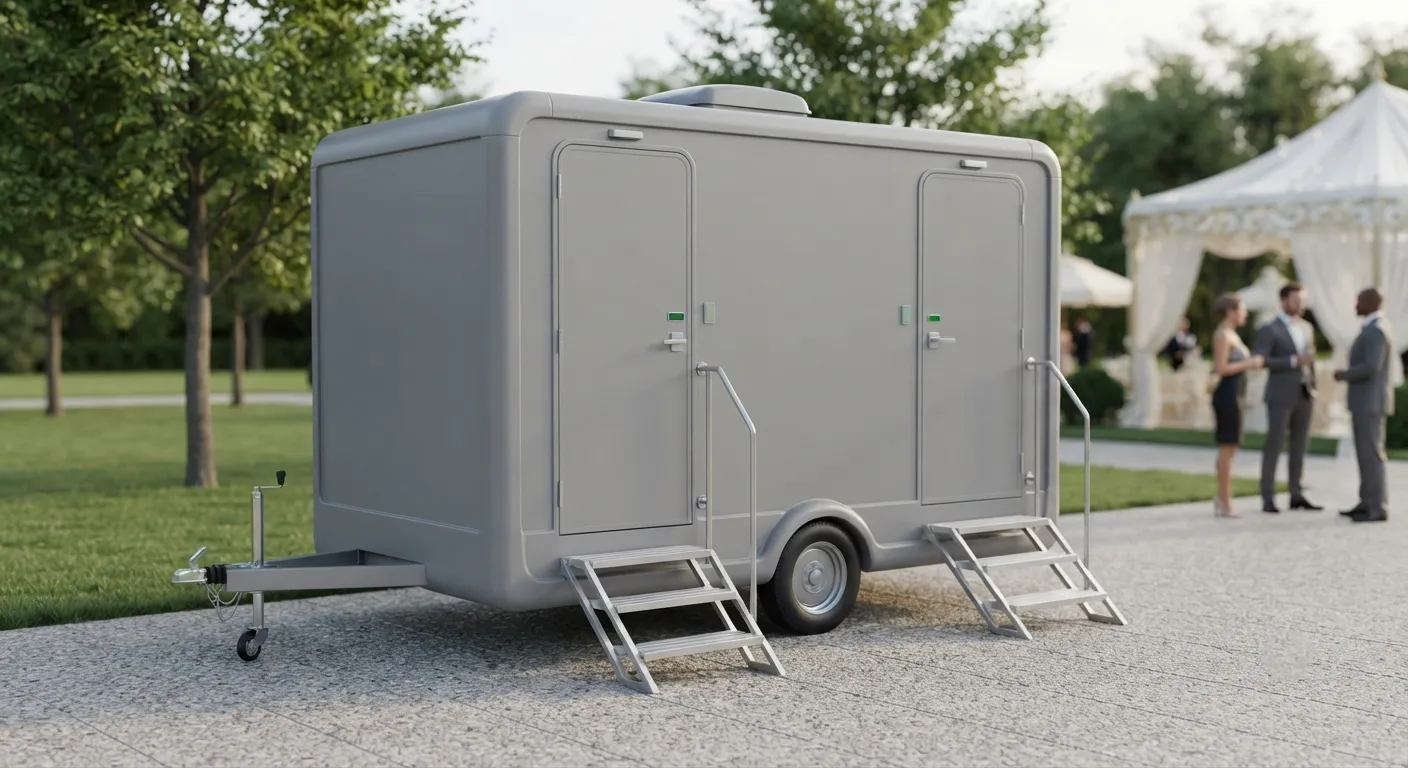
Where should we place units on farm and orchard ground?
Placement on working farmland is different from a job site with a driveway. Ground has to be level enough for standard porta potty rental units to sit stable, and a service truck needs a path in that does not cross planted rows or soft irrigation ditches. A standard unit measures about 44 by 48 inches on the ground and stands roughly 92 inches tall, small enough to tuck at a field edge without eating into usable acreage. For migrant or seasonal housing sites, we also set up portable sink rental units near bunkhouses, since crew housing has its own washing expectations separate from the field toilets. If your operation includes a packing shed or a farm stand, ADA placement matters differently than out in a field: ADA Standards section 213.2 requires that at least 5 percent of clustered single-user units be accessible, with a minimum of one, and our ADA accessible porta potty units meet that when the public visits the property. We service farms throughout the Trenton region, including ground near Ewing, about 3.6 miles northwest, and out toward Lower Makefield, roughly 6.5 miles west across the river. Winter operations bring their own placement issues too, covered in our porta potty in winter guide, since frozen ground changes where a truck can safely park for service.
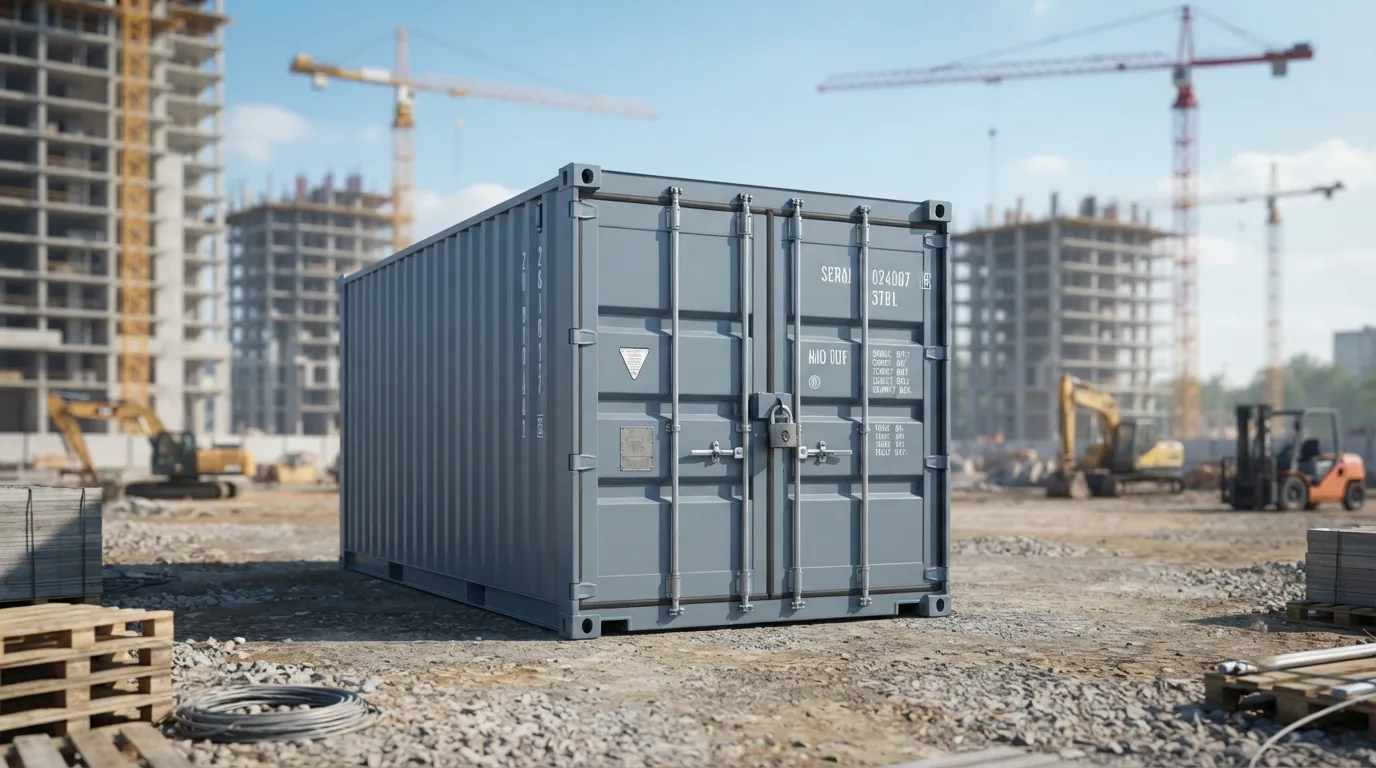
Do you handle both restrooms and septic pumping for farm properties?
Yes. A lot of farm properties in the Trenton area run on a private septic system for the farmhouse or packing facility, separate from whatever portable units are out in the fields. A typical residential septic tank gets pumped every 3 to 5 years, depending on tank size and household or facility use, and our septic pumping service covers that on a scheduled basis so you are not calling us in an emergency. Farms with a commercial kitchen or a food processing operation should also look at grease trap pumping, since a grease interceptor needs servicing once fats, oils, grease and solids reach 25 percent of the liquid depth, not on a fixed calendar. If you are unsure which category your property falls into, septic tank warning signs walks through what slow drains and standing water usually mean. For farms without a functioning septic system at all, or during a renovation, a holding tank rental bridges the gap. We also handle roll-off needs at harvest time and during equipment cleanout through roll-off dumpster rental, and fencing for seasonal markets or corn mazes through temporary fence rental. Pricing on the septic side runs $150 to $300 for a day visit, with weekend service available in the $50 to $150 range for smaller jobs. Trenton Porta Pros builds most farm accounts around a standing schedule rather than one-off calls, since planting and harvest timing rarely lines up with a single service visit.
Frequently asked questions
How many toilets does a farm crew of 25 workers need?
Under OSHA 1928.110, the ratio is one toilet per 20 workers, so a crew of 25 needs two units. Placement matters as much as count: no worker should walk more than a quarter mile to reach one. If the crew splits across two fields, put a unit at each location.
Can you service farms with no paved road access?
Yes, in most cases. Our trucks need a reasonably clear path in, but we regularly service gravel lanes and field edges. Call ahead if the ground is soft after rain, since spring conditions around Trenton can delay a scheduled pumping or delivery by a day.
Do farm workers need handwashing stations separate from toilets?
Yes. 29 CFR 1910.141(d)(2) requires soap and towels or a dryer at washing facilities, and OSHA 1928.110 ties handwashing to the same quarter-mile placement rule as toilets. A stack of hand sanitizer bottles does not meet either requirement on its own.
What does a standard unit cost for a full growing season?
Monthly rates run $125 to $325 per unit depending on service frequency and unit count. See monthly porta potty rental for how that breaks down against weekly and daily rates for shorter jobs.
Can you set up restrooms for a farm stand or agritourism event?
Yes. County fairs, pumpkin patches and farm stands draw public foot traffic, which changes the math. Check our county fair restrooms and event restroom rental pages for guidance on counts for public-facing farm events near Trenton.
Next step
Get a delivery date
Tell us the address, the dates and the headcount. We size the order and confirm the route.