
How fast can Trenton Porta Pros deliver during an emergency?
Disaster response does not run on a normal delivery window, so Trenton Porta Pros treats storm and flood calls as priority dispatch. A emergency porta potty rental order gets routed ahead of standard bookings, and our trucks work out from Trenton toward Ewing, 3.6 miles northwest, and Falls, 5.1 miles south, without adding travel time that a normal week-out reservation would need. Roll-off delivery for debris still needs about 60 feet of straight clearance behind the truck, which matters when streets are blocked by downed limbs or flood debris, so tell dispatch about access before the truck rolls. We also bring temporary fence rental to secure damaged structures and light tower rental units so cleanup crews can keep working after dark. If your water service is out too, ask about handwashing station rental alongside the toilets, because OSHA 1926.51(a)(1) requires an adequate supply of potable water at any place of employment, disaster cleanup sites included. For agencies managing shelters or staging areas, a porta potty placement guide helps avoid re-delivery once a site is chosen. We serve Trenton directly and can reach Lower Makefield, 6.5 miles west, on the same routing.
What sanitation do disaster relief crews and shelters actually need?
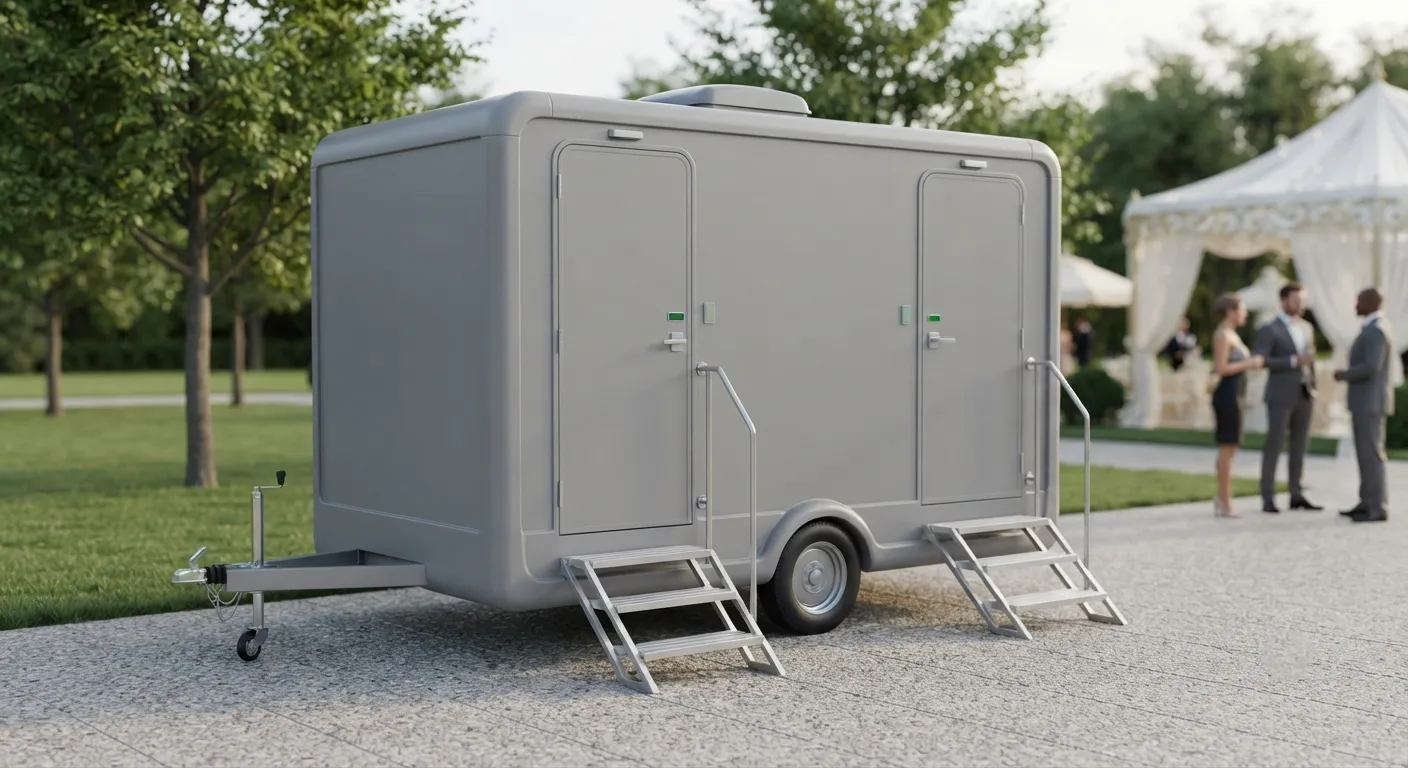
Cleanup crews, utility contractors and shelter staff all need different setups, and matching the right unit to the job matters more than ordering in bulk. Crews doing demolition or debris removal fall under construction sanitation rules: OSHA 1926.51(c)(1) requires 1 toilet for 20 workers or fewer, scaling up as crews grow, and general housekeeping under OSHA 1926.25 still applies even when a site is a disaster zone rather than new construction. Shelters and staging areas run more like a general workplace, where 29 CFR 1910.141(d)and OSHA 1910.141(c)(1)(i) govern facility ratios and require soap and towels at wash stations, not just sanitizer. A standard porta potty rental covers most crew and shelter needs, while a deluxe flushable porta potty suits command posts or longer-term staging. If displaced residents include anyone using a wheelchair or walker, an ADA accessible porta potty is not optional. ADA Standards section 213.2 requires that at least 5 percent of clustered single-user units be accessible, with a minimum of one, and section 304.3.1 calls for a 60 inch turning circle inside. For crews clearing storm debris, pair toilets with a roll-off dumpster rental so waste does not pile up on site, and check what cannot go in a dumpster before hazardous material goes in the bin.
Where should units go on a disaster relief site?
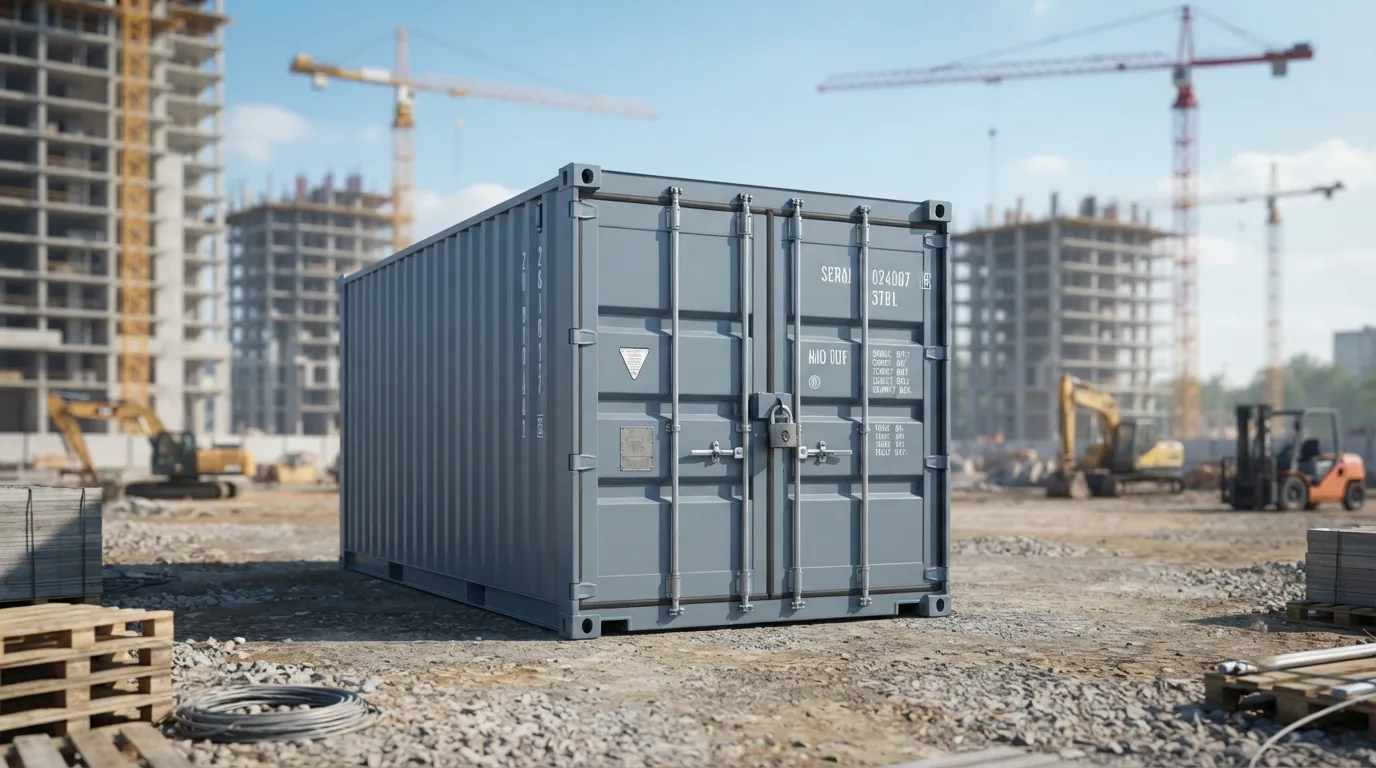
Placement decisions during an emergency still need to account for access and ground conditions, not just speed. ADA Standards section 302.1 calls for stable, firm, slip-resistant ground, which matters on a flood site where the yard may still be soft or muddy weeks later. Section 403.5.1 requires a 36 inch clear path to any accessible unit, and section 404.2.3 sets the minimum door opening at 32 inches, so units need real clearance, not a spot wedged behind a fence line. If your relief operation runs multiple days, a restroom trailer rental gives displaced families or long-shift crews a more livable option than stacked single units, and a 4 stall restroom trailer handles a mid-size shelter without the wait time single units create. Longer operations may also need a storage container rental for supplies or a mobile office trailer rental as a command post. Trenton sites near flood-prone corridors sometimes need septic support too. If a home's system backs up during a storm, emergency septic service and septic pumping service get called in alongside portable units, since a typical residential tank holds waste between pumpings on a 3 to 5 year cycle depending on household size, not built for a sudden surge of displaced use.
| unit | duration | typical price |
|---|---|---|
| standard | day | $150 |
| standard | week | $200 |
| ada | day | $230 |
| dumpster | day | $75 |
| trailer | day | $800 |
Pricing above reflects typical day and week rates; disaster response orders are quoted against actual headcount and duration through request a quote.
Frequently asked questions
How many units does a disaster shelter need?
It depends on headcount and hours of operation, not square footage. OSHA 1926.51(c)(1) sets 1 toilet per 20 workers on a crew site, and shelters generally track closer to the 1910.141(c)(1)(i) general industry ratios. Use the how many porta potties do I need guide, or call and give us a headcount for an exact count.
Can Trenton Porta Pros service flooded or hard-to-reach sites?
Often, yes, though access depends on road conditions after a storm. Roll-off and trailer deliveries need roughly 60 feet of straight clearance behind the truck. If a driveway or road is blocked, tell us during booking so we can plan an alternate drop point.
Do disaster relief units come with handwashing?
Not automatically, so ask for it. Pair any toilet order with a portable sink rental or handwashing station, since OSHA 1926.51(a)(1) requires potable water on site and 29 CFR 1910.141(d)(2) requires soap and a drying method, not sanitizer alone.
What if cleanup crews are using paint, coatings or insecticides?
That triggers a separate rule. OSHA 1926.51(f)(1) requires washing facilities specifically where workers apply paints, coatings, herbicides or insecticides, common during storm damage restoration, so flag that work type when you order.
How quickly can service start after a disaster is declared?
We prioritize emergency dispatch over standard scheduling and route from Trenton outward. Exact timing depends on road access and order size, so call contact directly with your address and headcount for the fastest answer.
Next step
Get a delivery date
Tell us the address, the dates and the headcount. We size the order and confirm the route.